
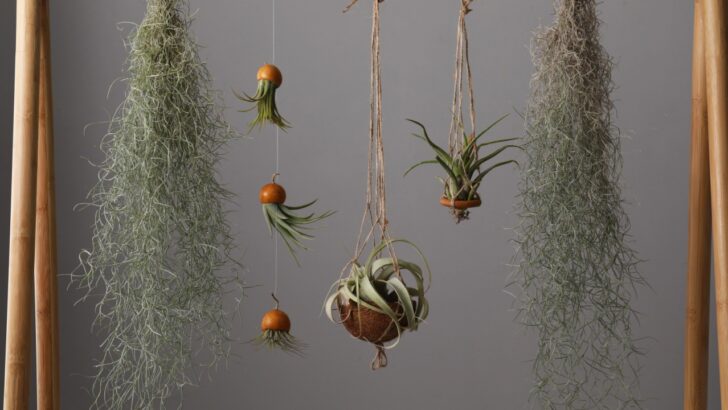
Air plants, or Tillandsia, are fascinating, low-maintenance additions to any home. They don’t need soil to survive, pulling moisture and nutrients directly from the air. But as the seasons change and the cozy, dry indoor air of winter sets in, these tropical beauties require a little extra attention to stay happy and healthy.
If your air plants are turning brown and crispy in the winter, here’s how to keep them thriving during the colder months. We’ll cover everything from adjusting your watering routine to ensuring they get enough light, so you can help your unique houseplants thrive all season long.
1. Adjust Your Watering Schedule
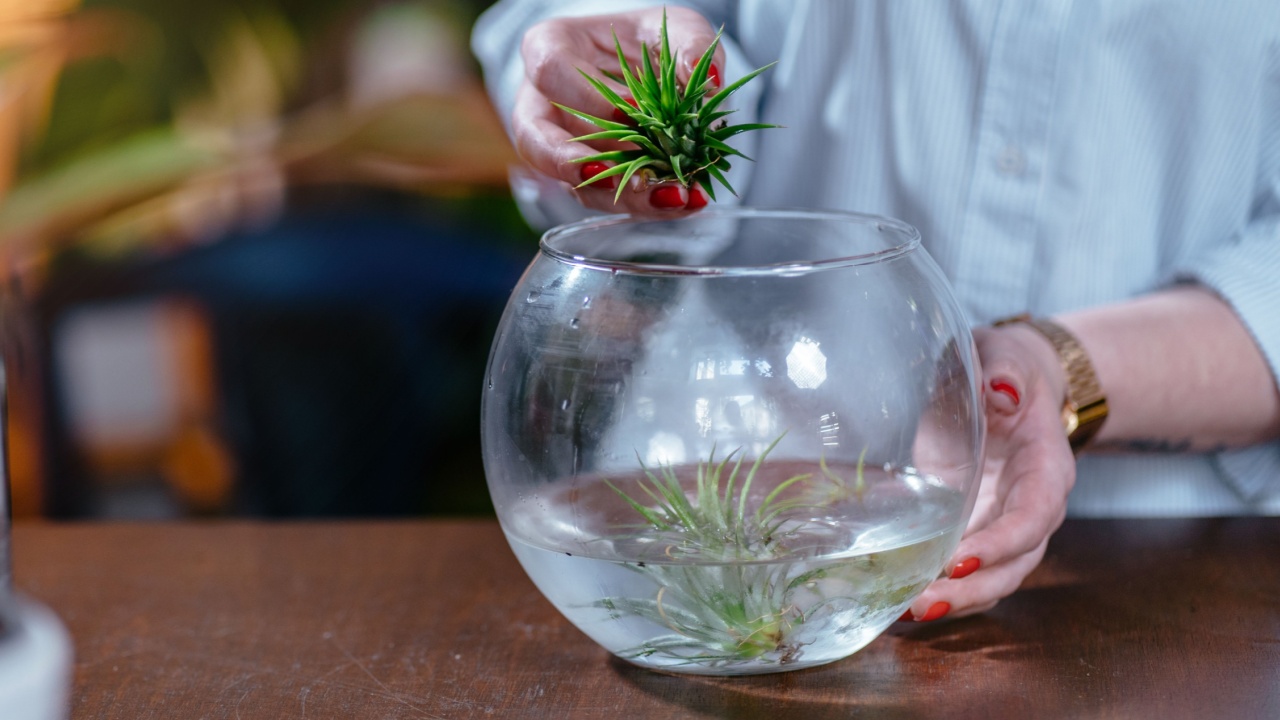
Image Credit: Shutterstock.
Winter’s dry indoor air can be tough on air plants. Avoid overwatering by soaking them for 20-30 minutes every 2-3 weeks and misting every few days.
Use room temperature water and always let them dry completely upside down after watering to prevent rot. Consistency is key!
Quick Care Tips:
- Signs of Thirst: Curling or wrinkling leaves indicate your plant needs water.
- Signs of Overwatering: A mushy base or dark, falling leaves suggest you’re watering too much.
- Dry Completely: Never return a damp air plant to its container or terrarium.
2. Provide Plenty of Bright, Indirect Light
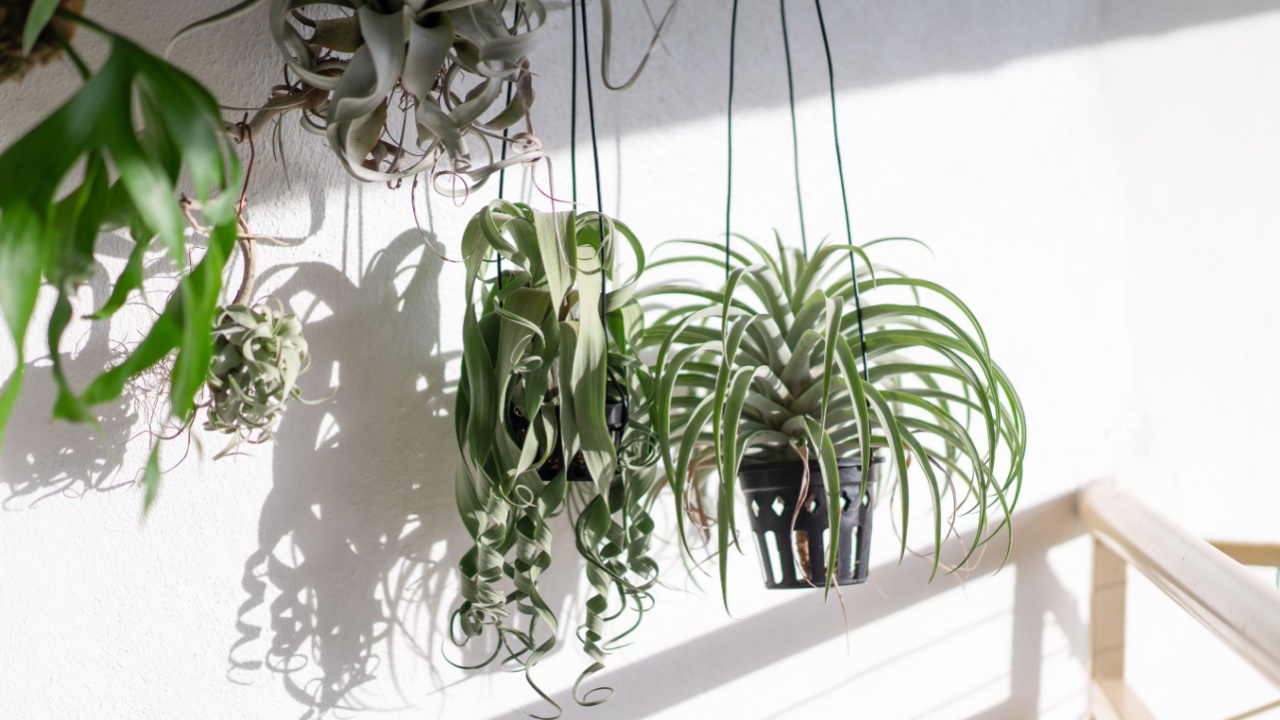
Image Credit: Shutterstock.
Air plants need bright, indirect light to stay healthy. Place them near an east or south-facing window for morning or filtered sunlight. If natural light is limited, use a full-spectrum LED or fluorescent grow light about 12 inches away for 10-12 hours a day to keep them thriving.
Quick Care Tips:
- Rotate Your Plants: Turn your plants every so often to ensure all sides receive adequate light.
- Avoid Direct Sun: Intense, direct afternoon sun can scorch their delicate leaves, even in winter.
- Observe and Adjust: If your plant’s leaves start to lose color, it likely needs more light.
3. Keep Them Warm and Away from Drafts
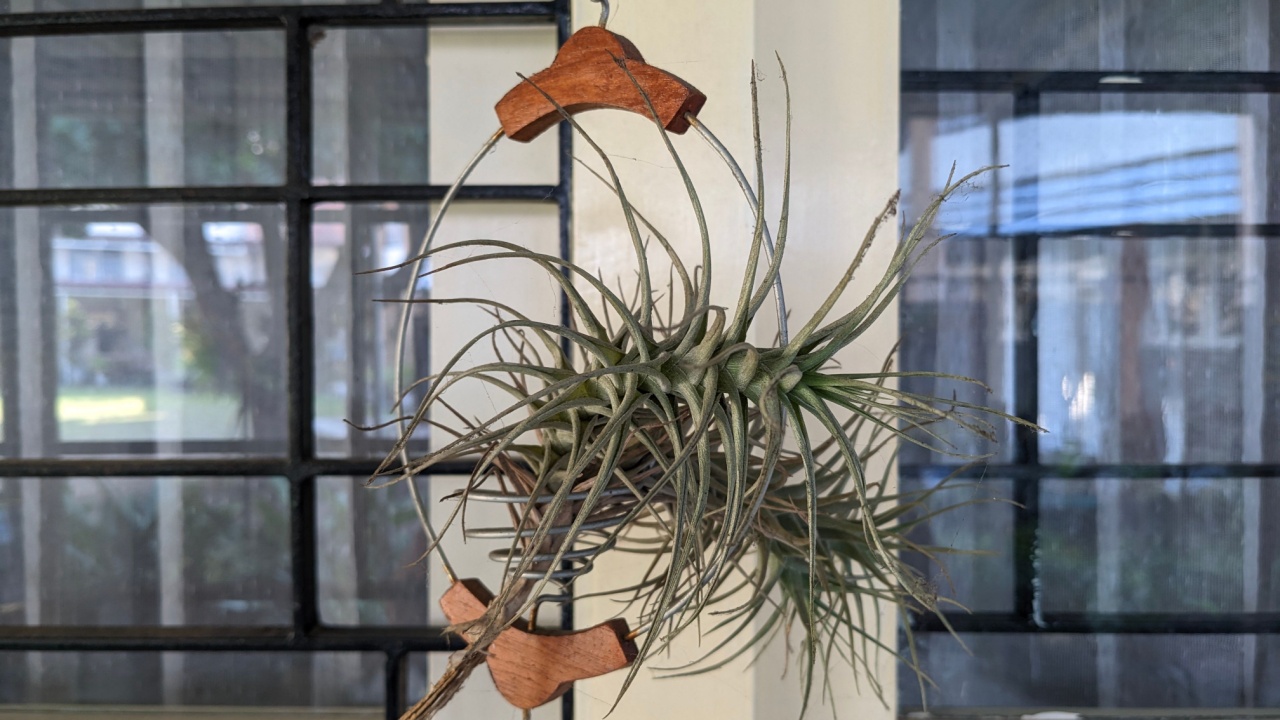
Image Credit: Shutterstock.
Air plants thrive in warm temperatures between 60-80°F (15-27°C). Keep them away from cold drafts, air vents, and heat sources like radiators or fireplaces, as sudden temperature changes and dry heat can harm them. A stable, warm spot is key to their health.
Quick Care Tips:
- Monitor Temperatures: Be aware of the temperature in the specific spots where your plants are displayed.
- Use a Humidifier: Grouping plants or placing them near a small humidifier can create a more stable, humid microclimate.
- Avoid Extremes: The goal is a consistent temperature, free from sudden hot or cold blasts.
4. Hold Back on Fertilizer
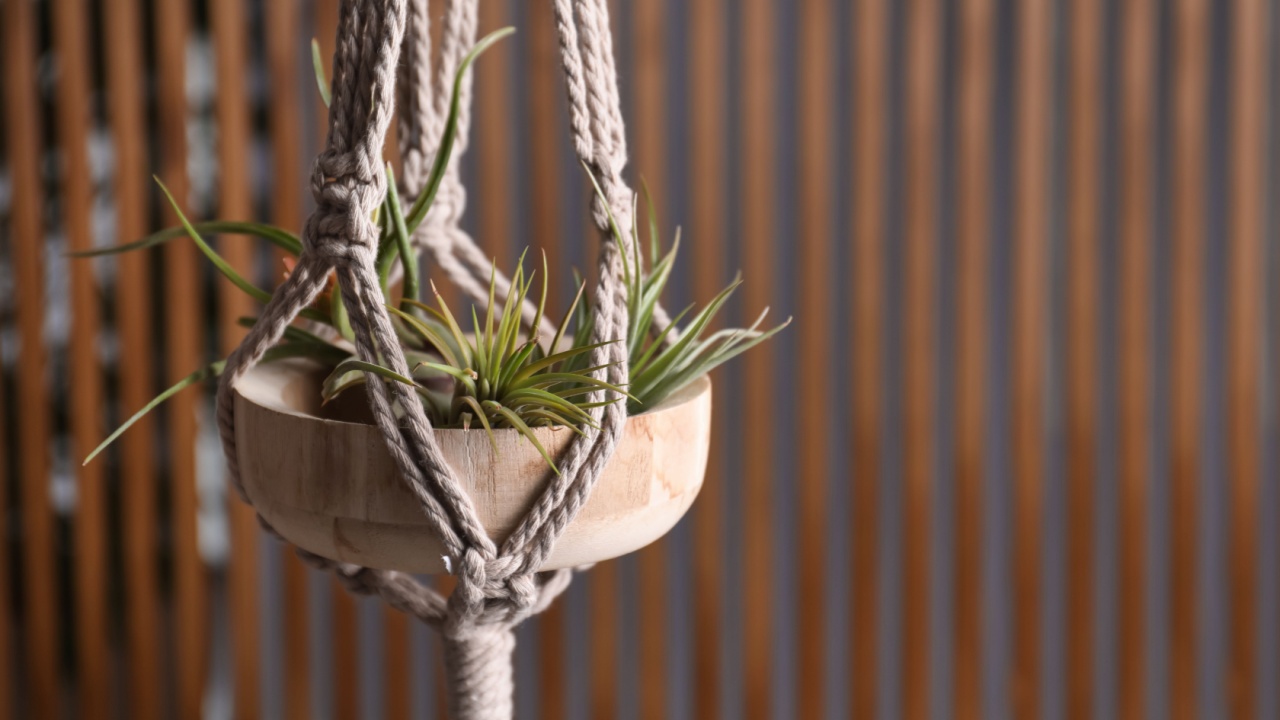
Image Credit: Shutterstock.
Air plants grow slowly, especially in winter when they’re dormant and need fewer nutrients. Fertilizing during this time can harm them, so it’s best to pause until spring. If you must fertilize, do it sparingly, once every two months with heavily diluted air plant fertilizer. Healthy plants can handle winter without extra feeding.
Quick Care Tips:
- Less is More: When in doubt, skip the fertilizer during winter.
- Wait for Spring: Resume your regular fertilizing schedule when daylight hours increase and the plant is actively growing again.
- Flush the Plant: If you do fertilize, be sure to rinse the plant with plain water a few hours later to remove any excess mineral salts.
Keep Your Air Plants Thriving During Winter
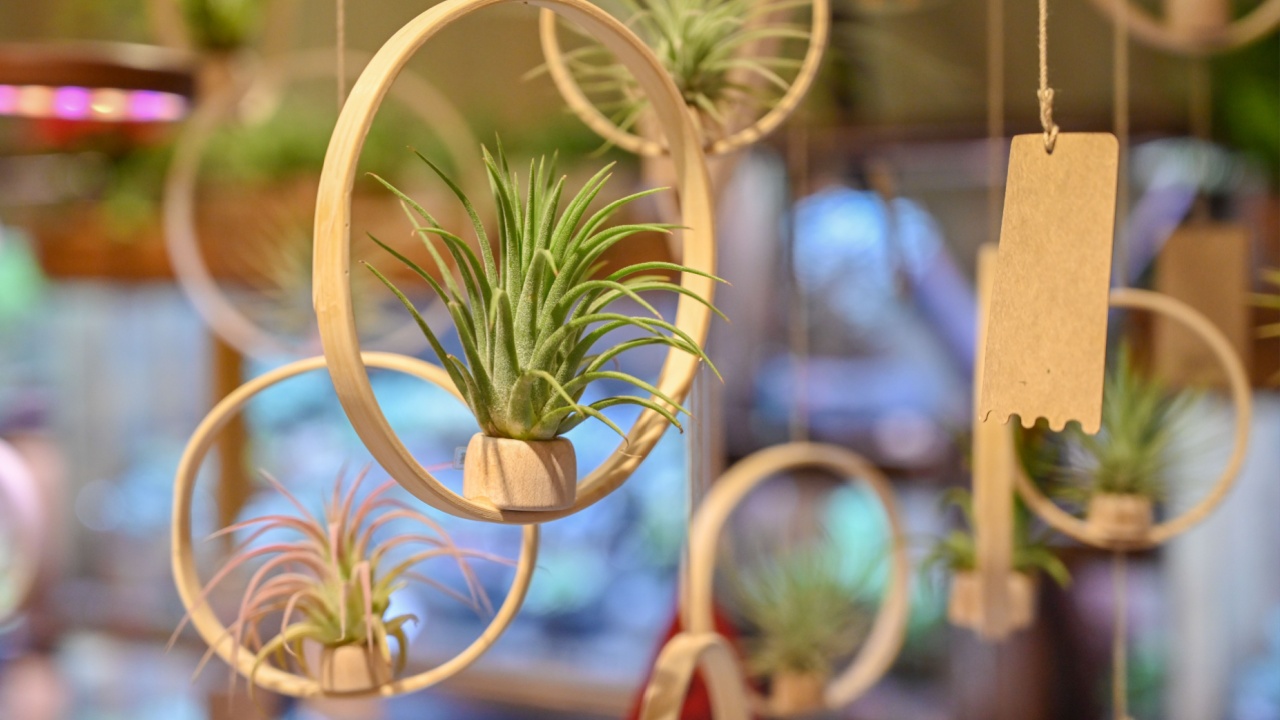
Image Credit: Shutterstock.
By making these simple adjustments to your care routine, you can ensure your air plants survive the winter but thrive throughout the colder months. Proper care will allow them to maintain their vibrant appearance, bringing life and color to your home even during the darkest days of the season.
With the right environment, consistent hydration, and a bit of extra attention, your air plants can remain healthy and continue to be a beautiful and uplifting presence in your space all year round.