
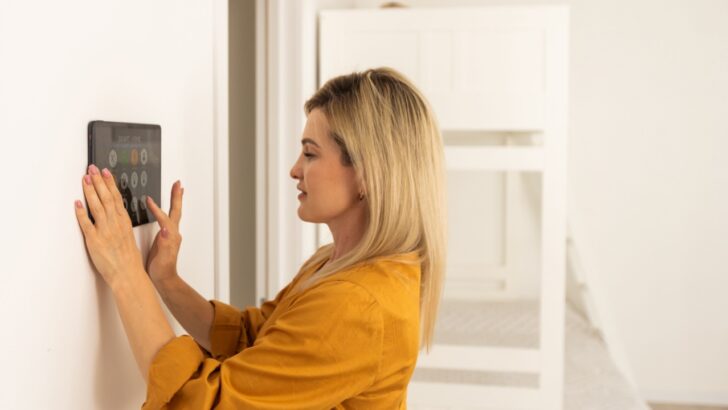
Do you sometimes look at your monthly electricity bill and feel like someone is suggesting you’ve been secretly powering a small city from your garage? Many people would like to reduce that number, but it feels like that also means giving up modern comforts.
A few clever adjustments and smarter habits can make a significant difference to your energy consumption and, more importantly, your bank account. This involves a mix of simple daily adjustments and, occasionally, some more involved home improvements.
Here are some practical ways to cut down on electricity usage without turning your life upside down.
1. Buy Energy-Efficient Appliances
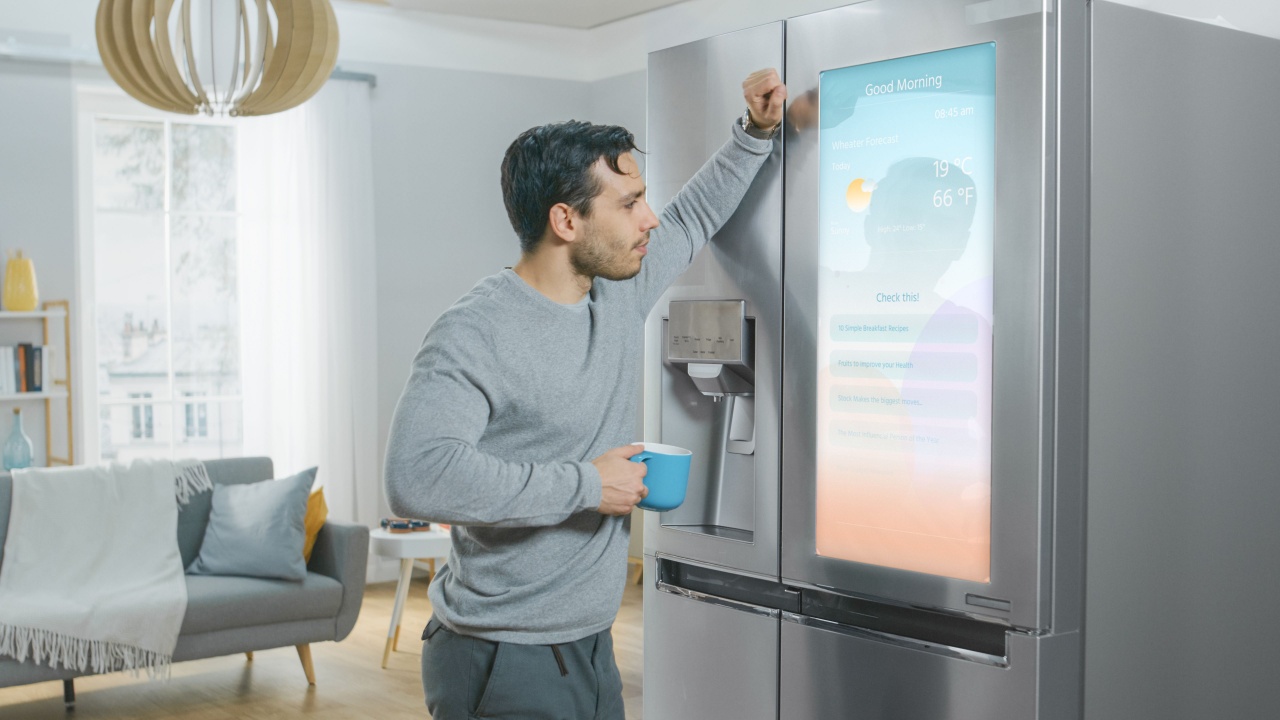
Image Credit: Shutterstock.
That old refrigerator from the ’90s might have sentimental value, but it’s draining your power and money. Modern appliances are designed with energy efficiency in mind, and the numbers prove it. When shopping for new machines, look for the ENERGY STAR label.
This certification indicates that the product meets strict efficiency guidelines set by the U.S. Environmental Protection Agency. An appliance with a high rating can use 10% to 50% less energy each year than a standard model. Replacing a major appliance is a big investment, but the long-term savings on your electricity bill can offset the initial cost.
2. Use Occupancy or Motion Sensors
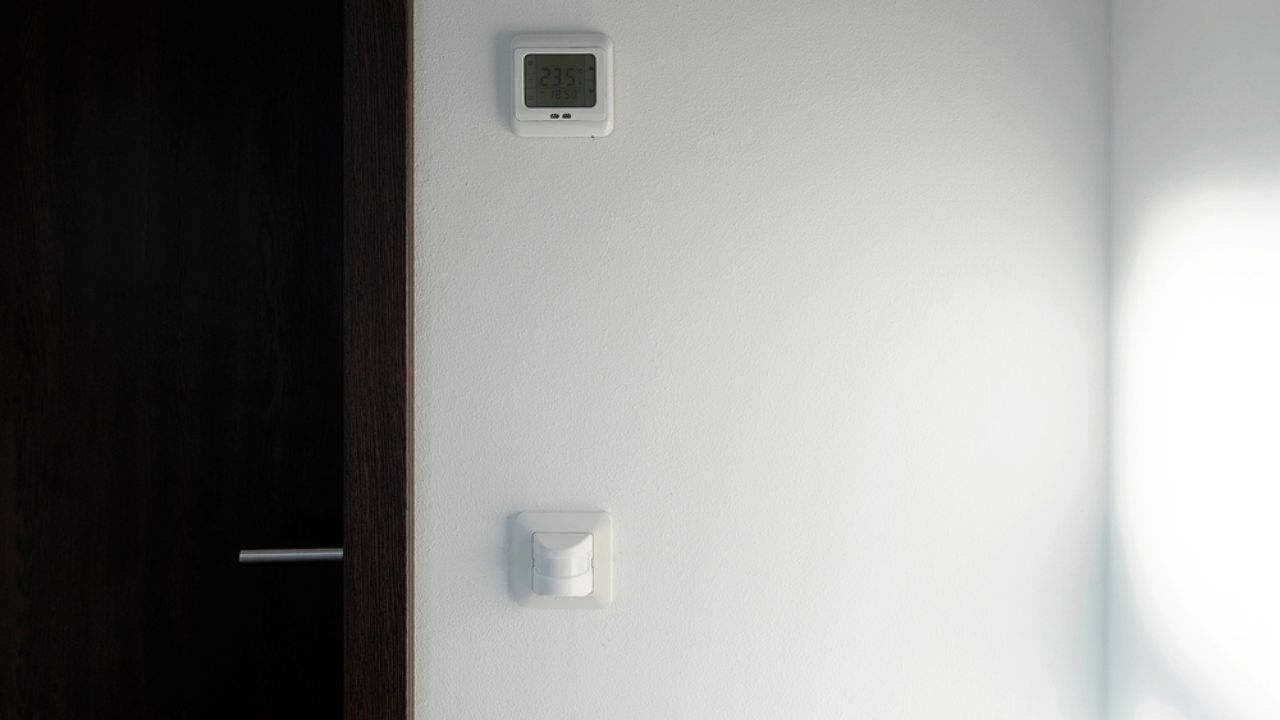
Image Credit: Deposit Photos.
Many of us have left a room and forgotten to turn off the light. While one forgotten light might not seem like a big deal, it adds up. Occupancy and motion sensors are a simple solution to this common problem. These devices automatically turn lights on when they detect movement and turn them off after a set period of inactivity.
They are perfect for rooms where lights are frequently left on by mistake, such as bathrooms, closets, hallways, and laundry rooms. Installation can be as simple as swapping a light switch, and the energy savings match the convenience. You no longer have to patrol the house, flipping switches behind family members.
3. Unplug Electronics to Stop Phantom Drain
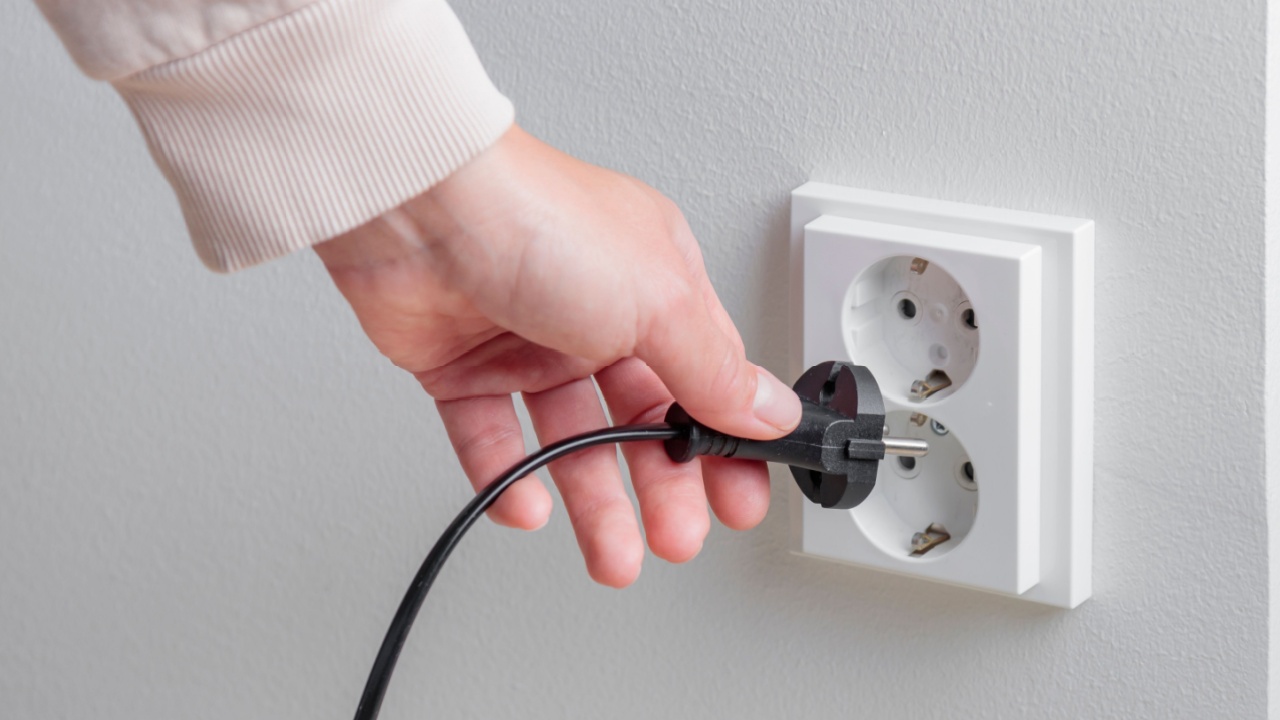
Image Credit: Shutterstock.
Some of your electronics continue to draw power even when they’re turned off. This phenomenon, known as “phantom load” or “standby power,” accounts for a surprising portion of a household’s energy use. Devices like televisions, game consoles, coffee makers, and phone chargers are common culprits.
The easiest way to combat this is to unplug devices when you’re finished using them. For a more convenient approach, plug multiple electronics into a power strip. With one flick of a switch, you can cut off power to everything at once.
4. Wash Clothes in Cold Water
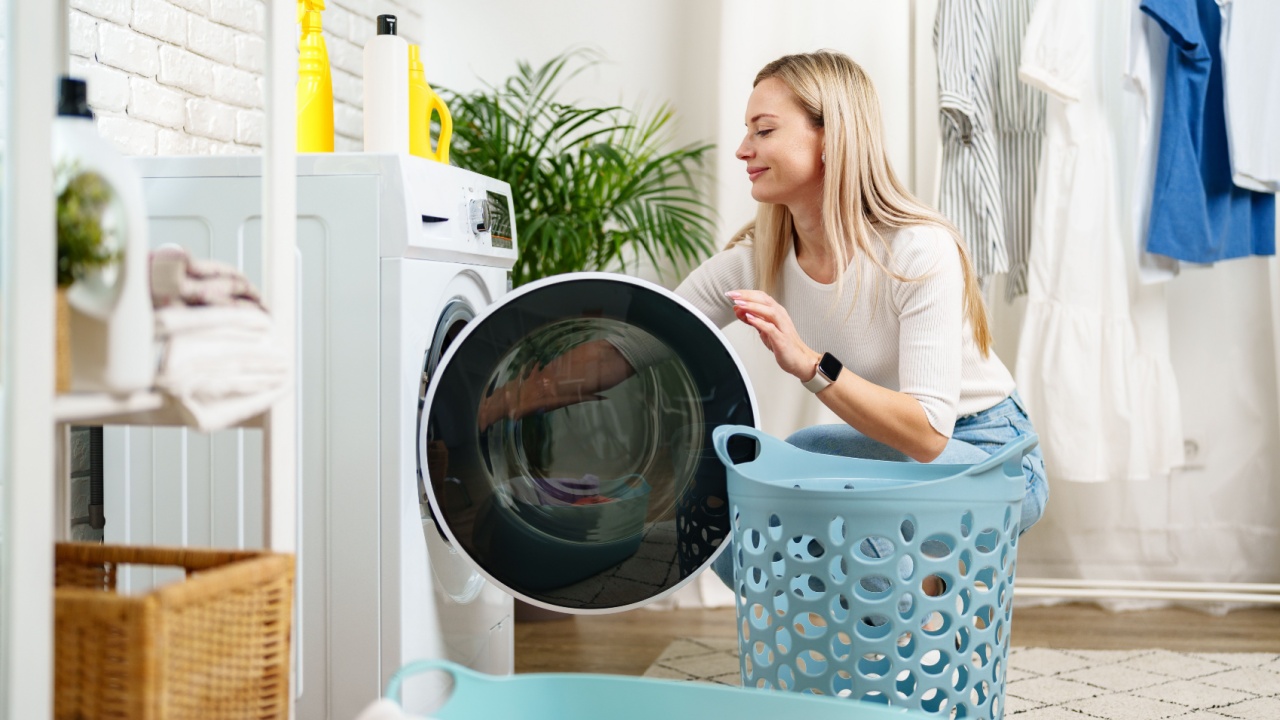
Image Credit: Shutterstock.
The belief that clothes only get truly clean in hot water is a persistent myth. Modern detergents are formulated to work just as effectively in cold water. About 90% of the energy a washing machine uses goes toward heating the water. By simply switching the temperature setting from hot to cold, you can drastically reduce the energy consumption of each load.
Washing with cold water is not only better for your wallet; it’s also gentler on your clothes. Hot water can cause fabrics to fade, shrink, or lose their shape. Making the switch helps your favorite outfits last longer while you save money.
5. Line-Dry Clothes

Image Credit: Shutterstock.
Your clothes dryer is one of the most power-hungry appliances in your home. A simple, old-fashioned alternative is to line-dry your clothes. Using a clothesline or a drying rack allows you to harness the free, natural power of the sun and wind. Your clothes will come out smelling fresh, and you’ll save a substantial amount on your electricity bill.
If you don’t have a backyard for a traditional clothesline, a foldable indoor drying rack works just as well. It’s an ideal solution for apartment dwellers or for rainy days. Even partially drying clothes on a rack before finishing them in the dryer for a few minutes can cut down on energy use.
6. Program Your Thermostat

Image Credit: Shutterstock.
Heating and cooling systems are responsible for a large chunk of a home’s energy use. A programmable or smart thermostat allows you to automate temperature settings, so you aren’t heating or cooling an empty house. You can set it to adjust the temperature when you leave for work, go to sleep, or are away on vacation.
By setting the thermostat a few degrees higher in the summer and a few degrees lower in the winter, you can achieve considerable savings. For every degree you adjust the temperature for eight hours a day, you can save about 1% on your heating and cooling bills. A smart thermostat, which can learn your habits and be controlled from your phone, offers even greater efficiency and convenience.
7. Lower Your Water Heater Temperature

Image Credit: Deposit Photos.
Just like with your laundry, heating water is an energy-intensive process. Many manufacturers set water heater thermostats to 140°F, but for most households, 120°F is perfectly adequate. Lowering the temperature reduces standby heat losses, that is, the heat that escapes from the water heater even when you’re not using it.
Reducing the temperature also increases safety by lowering the risk of scalding. It’s a simple adjustment that you can often do yourself, and it provides continuous savings without any change to your daily routine.
8. Replace Single-Pane Windows

Image Credit: Shutterstock.
If your home still has single-pane windows, you might as well be throwing money out of them. Single-pane windows are notoriously inefficient, allowing heat to escape in the winter and enter in the summer. Upgrading to double-pane windows can make a massive difference in your home’s insulation and energy bills.
Double-pane windows have two sheets of glass with a layer of insulating gas (like argon) sealed between them. This design significantly reduces heat transfer. While this is a more substantial investment, the improvement in comfort and the long-term energy savings make it a worthwhile upgrade for many homeowners.
9. Add Insulation
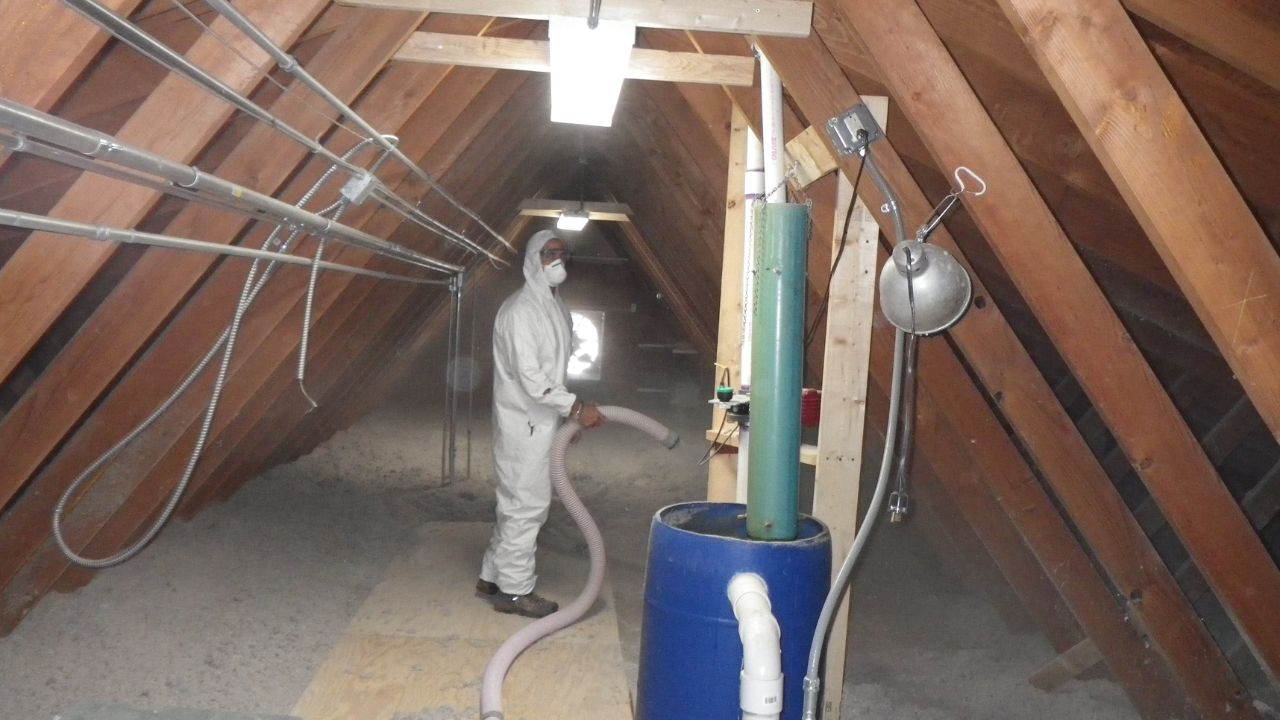
Image Credit: USFWS Mountain Prairie – Insulating attic – Public Domain/Wiki Commons.
Proper insulation is another critical factor in creating an energy-efficient and comfortable home. Many older homes are under-insulated, particularly in areas like the attic, where heat loss often occurs. Insulation may also degrade or settle, further reducing its effectiveness.
Adding high-quality insulation to key areas such as your attic, walls, and crawl spaces can make a significant difference in maintaining a consistent indoor temperature. This reduces reliance on your HVAC system, cutting down on energy use and lowering your utility bills.
10. Make Use of Natural Light

Image Credit: Deposit Photos.
Why pay to light a room when the sun can do it for free? Making the most of natural light can reduce your reliance on artificial lighting during the day. Keep your curtains and blinds open on sunny days to let light stream in. Arranging furniture to take advantage of daylight can create bright, pleasant spaces without flipping a switch.
This strategy also applies to temperature control. In the winter, open curtains on south-facing windows to let the sun’s rays help heat your home. In the summer, close them to block that same solar heat and keep your home cooler, reducing the need for air conditioning.
11. Install Ceiling Fans for Efficient Airflow

Image Credit: Shutterstock.
Ceiling fans might seem retro, but they’re classic for a reason. Moving air makes a room feel cooler, so ceiling fans can help you feel comfortable even when the thermostat is set a little higher during summer. Reverse the fan direction in winter, and it pushes warm air trapped at the ceiling back down to where it’s useful.
Using fans allows your heating and cooling systems to take a well-deserved break. They use significantly less electricity than running an AC or heater, and that difference adds up fast.
12. Weatherproof Doors and Windows
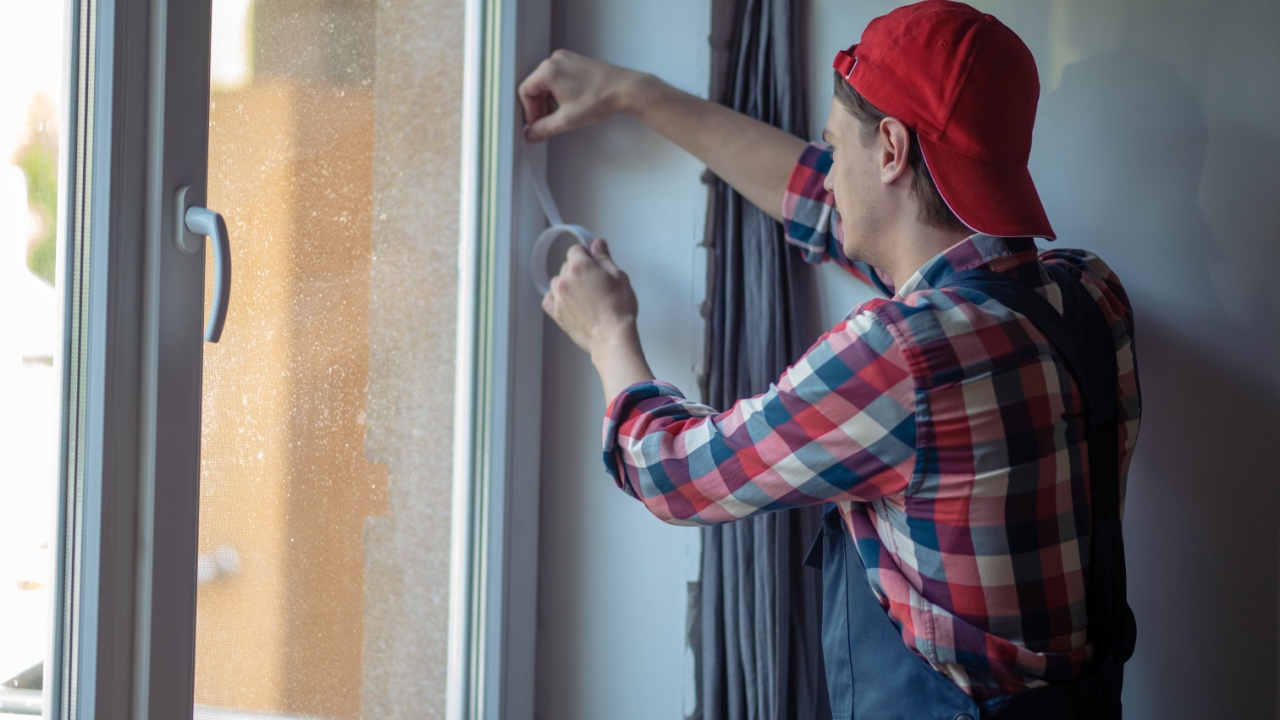
Image Credit: Shutterstock.
Drafty doors and leaky windows allow outdoor temperatures to creep into your living room, making it harder to maintain a comfortable indoor climate. This unwanted exchange of air makes your home less cozy and drives up energy costs as your heating or cooling system works overtime.
Adding weatherstripping and door sweeps can help stop outdoor air from sneaking in and keep your conditioned air from escaping. Simple and affordable solutions like foam tape, V-strip, or door snakes are easy to install and can make a big difference.
13. Use Advanced Power Strips
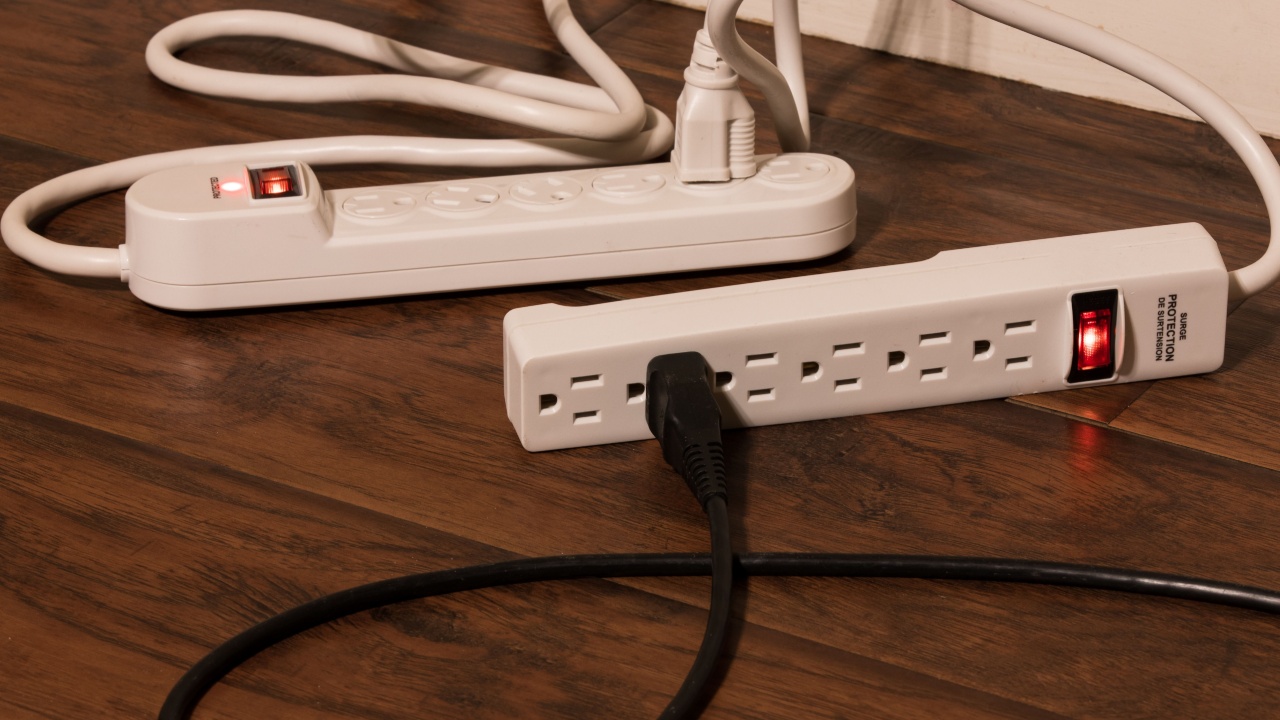
Image Credit: Shutterstock.
Regular power strips save you the hassle of bending over and unplugging each device manually, making it easier to manage your electronics. However, advanced (or smart) power strips take this convenience to the next level. These innovative strips can detect when your devices enter standby mode and automatically cut off power to save electricity.
Many advanced power strips also offer added features like timers or remote controls, giving you greater control over your devices. For example, you can set a timer to turn off your entertainment system at night or use a remote to shut down idle devices without leaving your seat.
14. Clean or Replace HVAC Filters Regularly
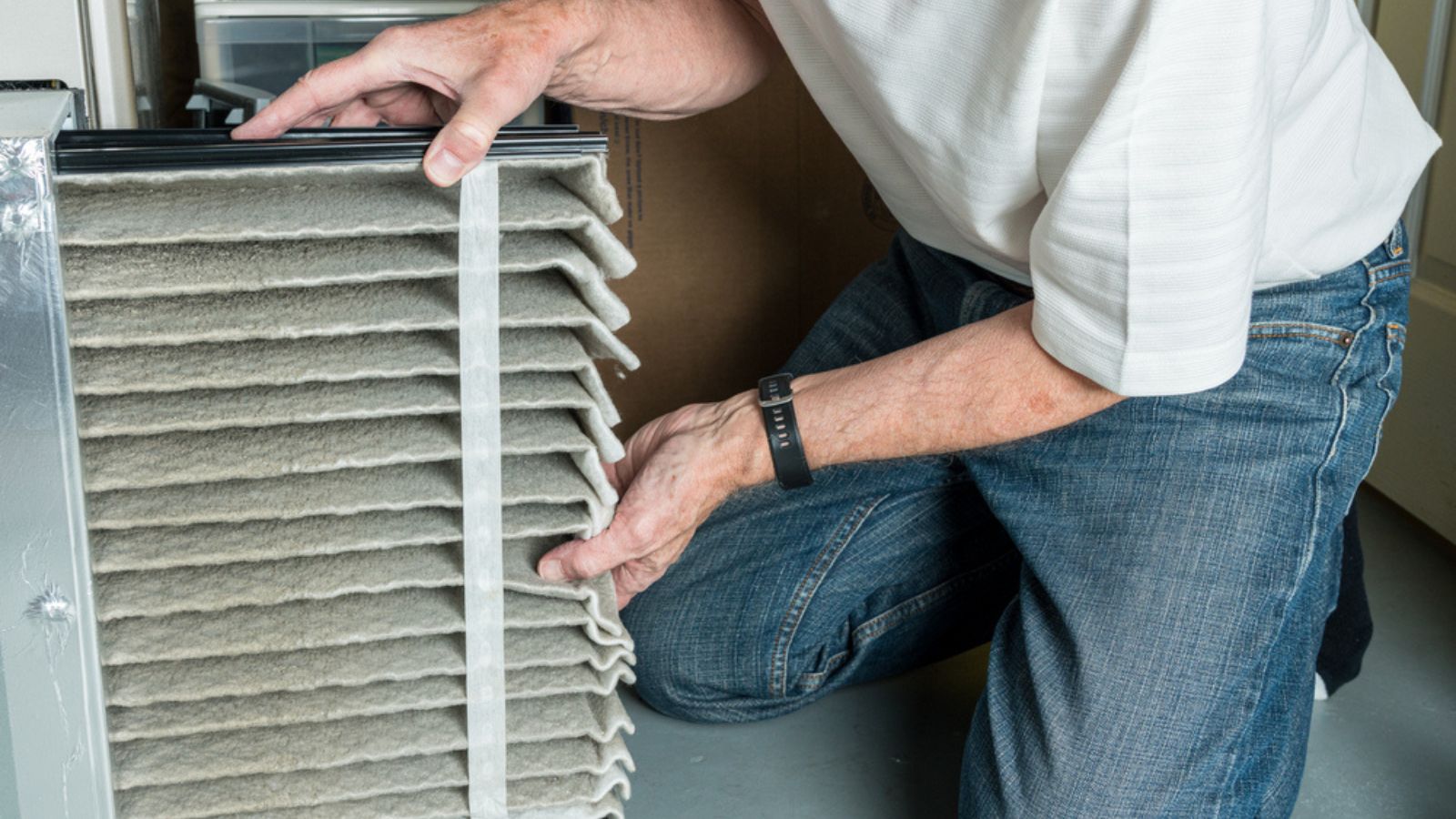
Image Credit: Deposit Photos.
When HVAC filters are clogged with dust and mystery fluff, your system has to work harder. They end up pulling more electricity and sending your utility bill for a joyride. Clean or replace filters as recommended, usually every 1-3 months.
However, it’s always a good idea to consult the manufacturer’s instructions first, as some systems may have specific recommendations based on the type of filter or usage. A well-maintained system runs smoother, uses less energy, and delivers that sweet, sweet airflow without the guilt.
15. Cook and Bake Strategically

Image Credit: Deposit Photos.
Using the oven or stove heats up the kitchen, which can lead to cranking the AC, especially in the summer. Small appliances like toaster ovens, microwaves, or slow cookers generally use less energy and create less unwanted heat. In cooler months, using the oven can actually help warm up your home a bit, pulling double duty.
Batch-cooking meals or using lids to trap heat are simple habits that further trim your electricity spend. Additionally, try to plan meals that utilize similar cooking methods or temperatures so you can prepare multiple dishes at once. This will save on energy costs and save time and effort in the kitchen.
Slash Your Energy Costs

Image Credit: Shutterstock.
Slashing your electricity bill doesn’t have to feel like an epic quest. Mix small, everyday habits with some bigger, smarter home upgrades. Start with the easy wins like washing your clothes on cold or finally unplugging that dusty DVD player from 2005. Once you’ve got those down, you can dream bigger and look into projects like upgrading your windows or adding insulation. Every little bit helps create a more efficient home and leaves a bit more cash in your wallet.