
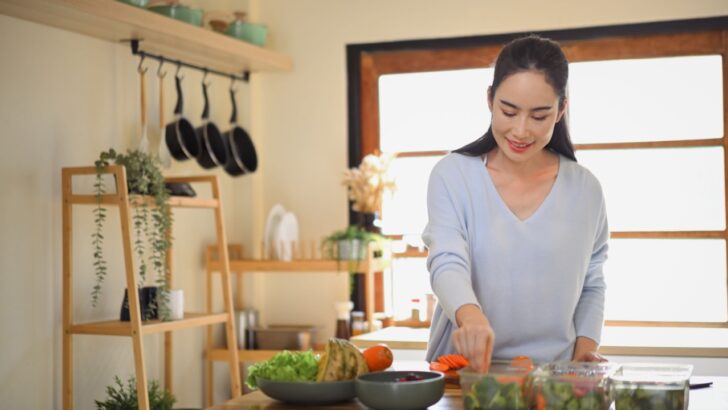
Microplastics are the uninvited guests that have officially overstayed their welcome. These tiny plastic particles have been found everywhere, from your oceans to your body.
While going completely plastic-free can feel like an impossible task, making a few simple swaps in your kitchen is a great way to start.
It’s not just about jumping on a trend; it’s a practical step toward cleaner food and a healthier planet. Ready to make a change? Here are 14 easy swaps to kickstart your journey.
1. Rubbermaid Brilliance Glass Storage Containers
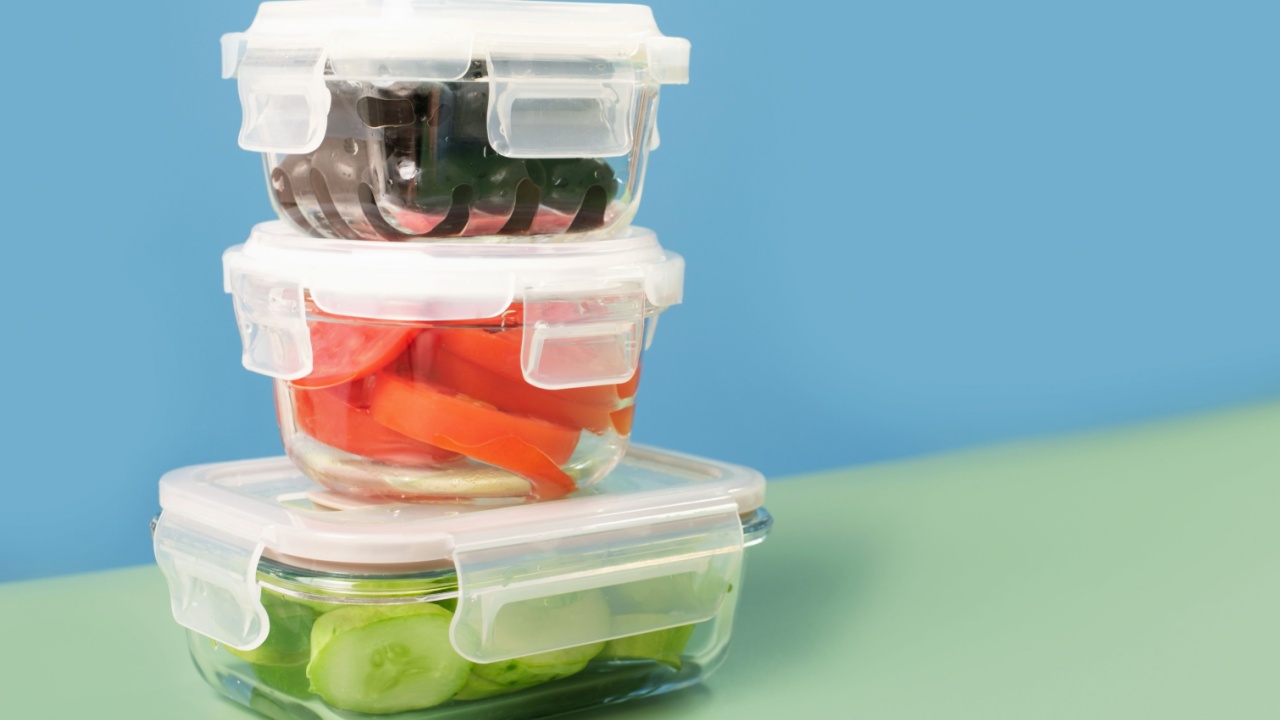
Image Credit: Shutterstock.
Say goodbye to flimsy, stained plastic tubs. Glass containers are a cleaner, more durable alternative that won’t warp in the dishwasher or leach chemicals in the microwave.
These Rubbermaid containers are crystal clear, stackable, and have airtight lids that prevent spills. They’ll keep your leftovers looking fresh, not like a science experiment.
2. Bee’s Wrap Reusable Beeswax Food Wrap
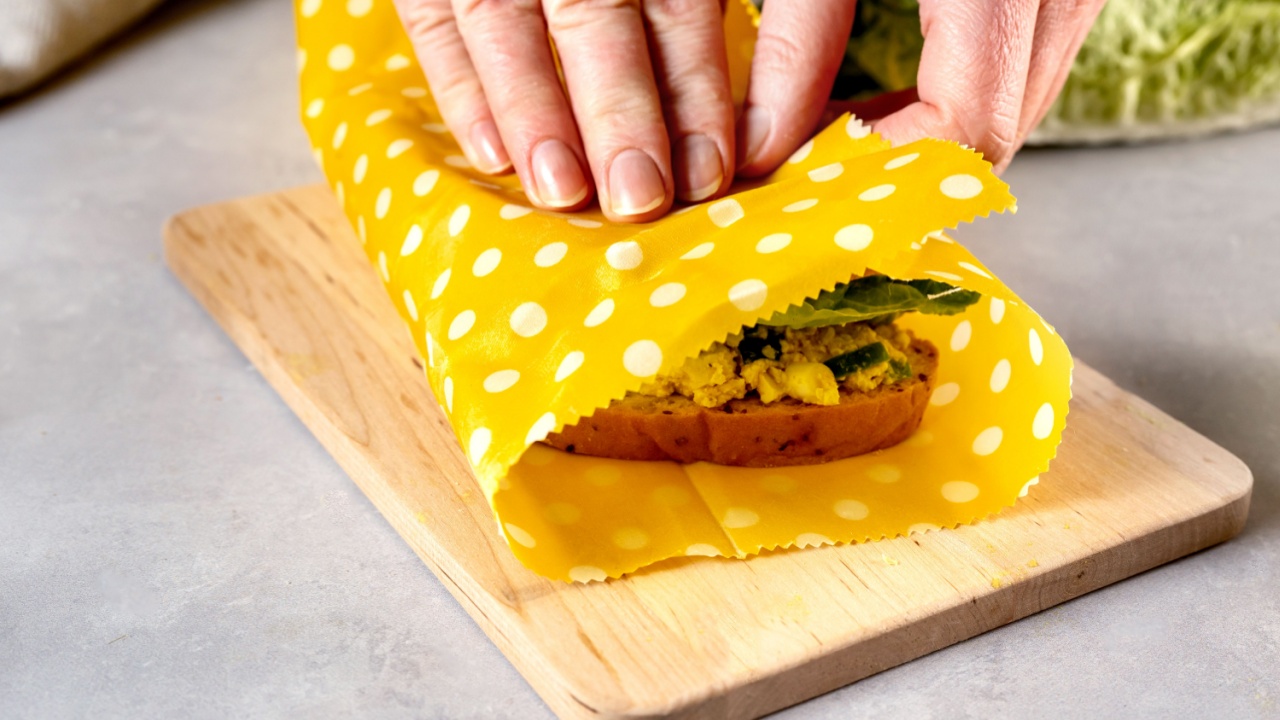
Image Credit: Shutterstock.
Cling film is a single-use nightmare that rarely sticks where it should. Beeswax wrap uses the warmth of your hands to mold around bowls, cheese, or produce, creating a breathable seal.
It rinses clean with cold water and lasts for months. Bee’s Wrap adds a pop of color to the fridge while keeping food fresh without the plastic waste.
3. Organic Cotton Mesh Produce Bags
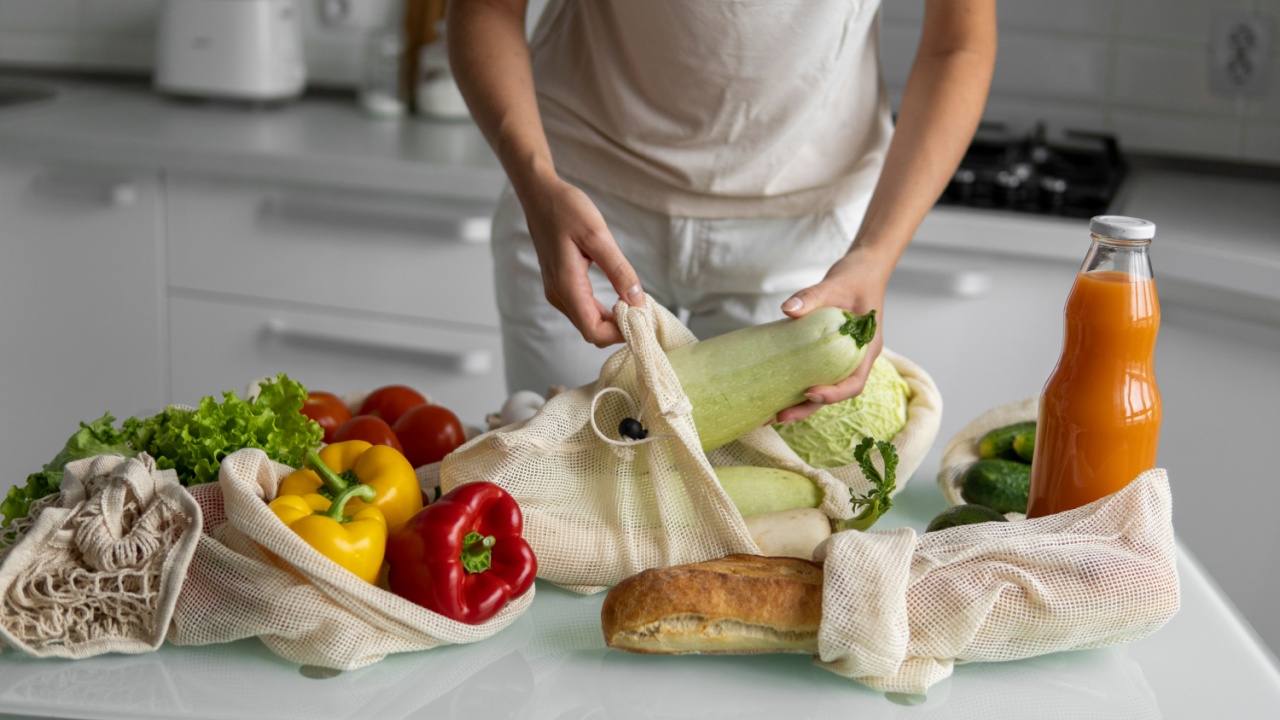
Image Credit: Shutterstock.
Those thin plastic bags in the produce aisle are difficult to open and even harder to recycle. Cotton mesh bags are washable, durable, and allow fruits and vegetables to breathe, which can extend their lifespan.
This set from Organic Cotton Mart features a drawstring closure to keep apples and onions from rolling around the trunk of the car.
4. Vitever Glass Condiment Jars
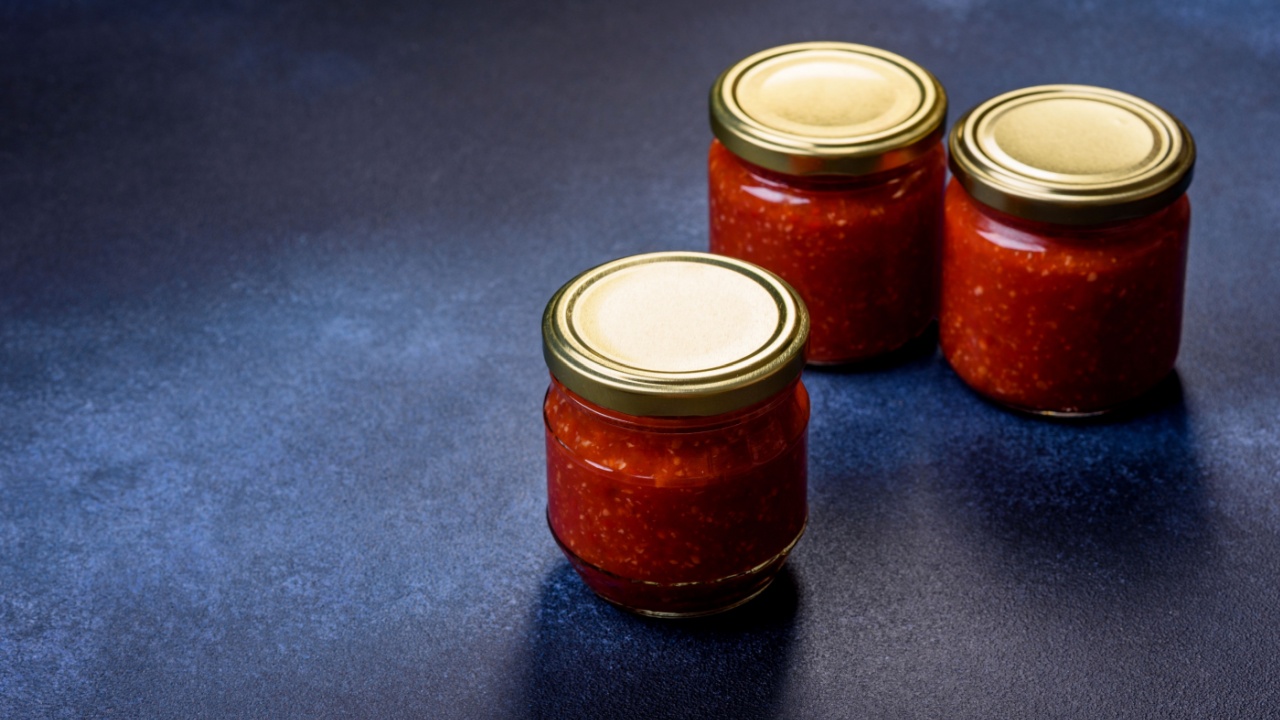
Image Credit: Shutterstock.
Homemade dressings and sauces deserve better than stained plastic Tupperware. These small glass jars from Vitever are leakproof and the perfect size for packing condiments in a lunch bag or storing small batches of jam.
The sturdy glass construction means flavors and smells won’t linger after a trip through the dishwasher, so your vinaigrette won’t taste like last week’s curry paste.
5. Hiware Stainless Steel Straws
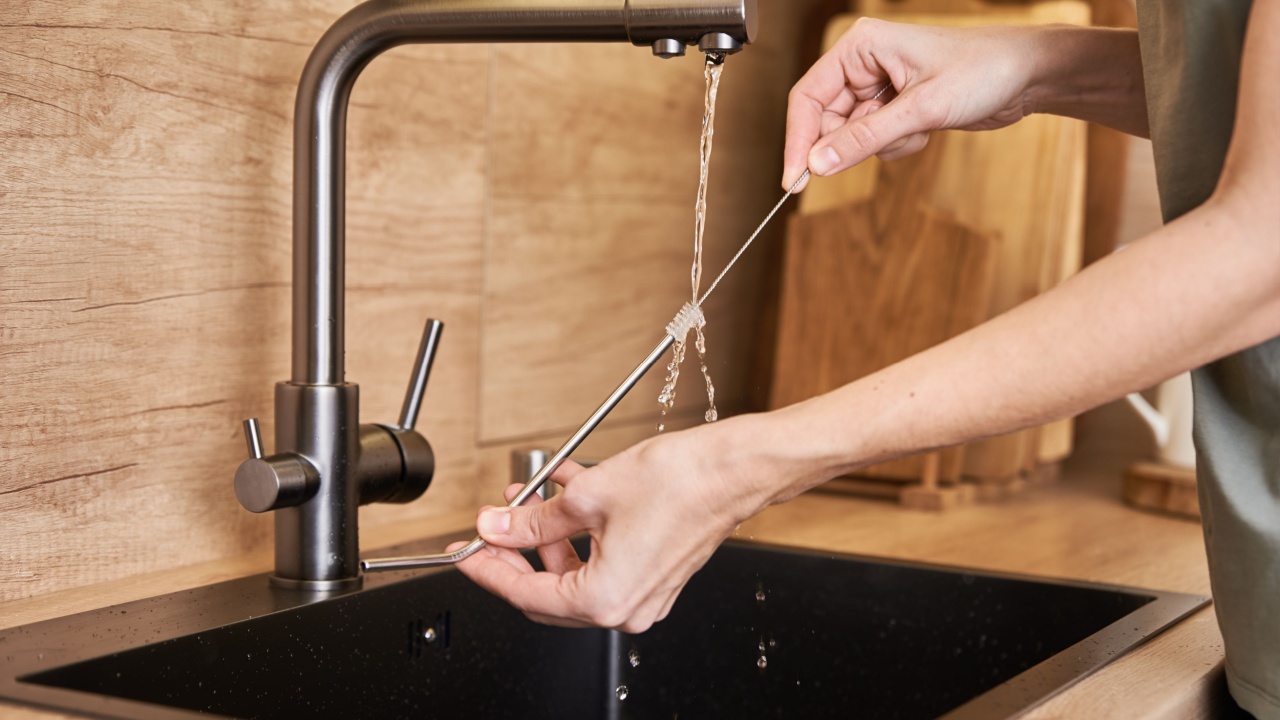
Image Credit: Shutterstock.
Paper straws dissolve halfway through your drink, and plastic ones just add to pollution. A simple, sustainable upgrade is a set of stainless steel straws. This set from Hiware comes with 12 straws in various sizes (straight and bent) and a cleaning brush to keep them spotless.
They handle both hot and cold beverages with ease, never get soggy, and make every smoothie or iced coffee feel a little more special.
6. Totally Bamboo Cutting Board
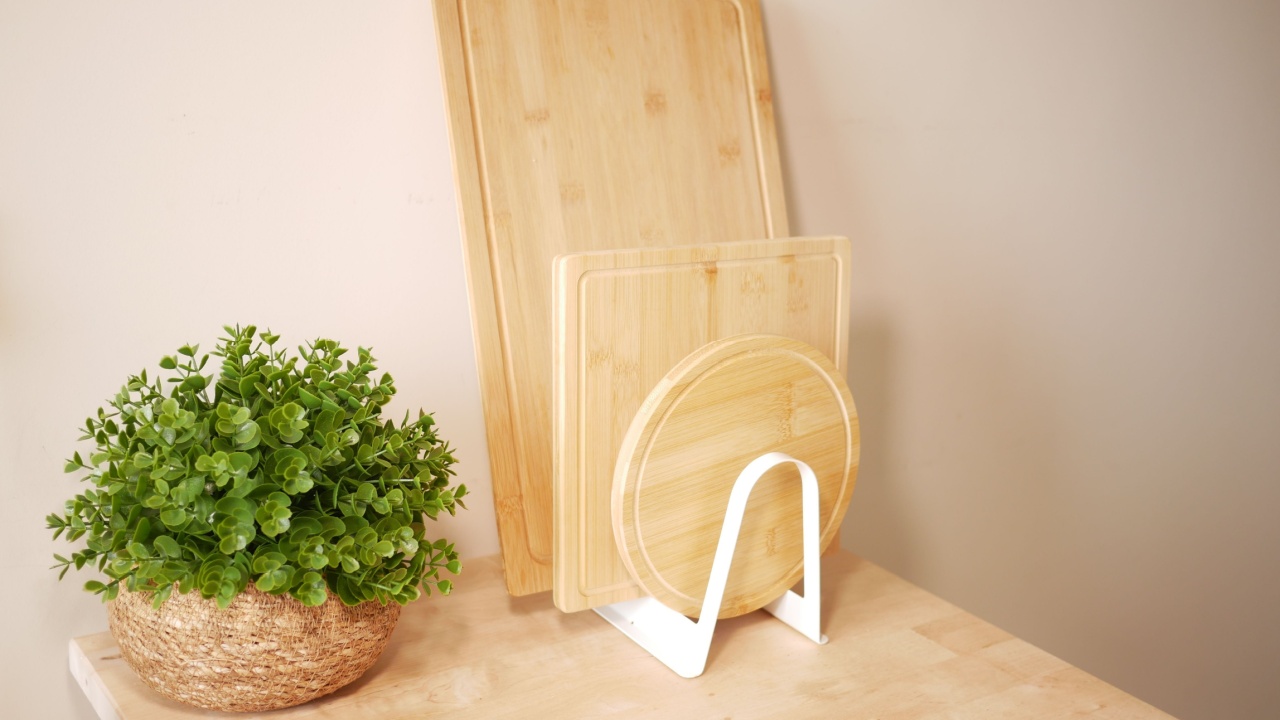
Image Credit: Shutterstock.
Chopping on plastic boards releases microplastics directly into food with every slice. Bamboo is harder and resists deep scarring, making it a sanitary and eco-friendly surface for meal prep.
Totally Bamboo offers boards that stay put on the counter and look good enough to double as serving platters.
7. Carbon8 Sparkling Water Maker
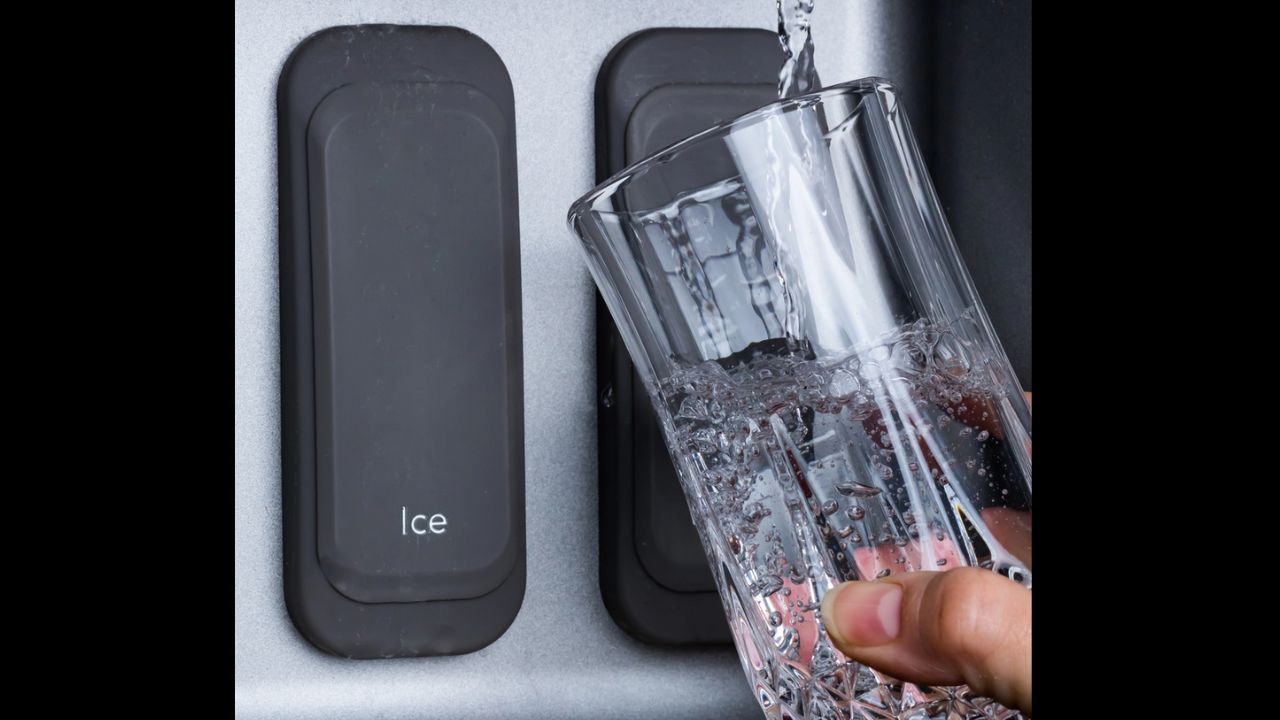
Image Credit: Deposit Photos.
Buying sparkling water in plastic bottles creates a huge amount of waste. The Carbon8 offers a sustainable solution by letting you make fizzy water at home with its durable aluminum system, eliminating the need for single-use plastics.
It even includes a UV light and chlorine filter to sanitize your water for added peace of mind. Stylish and compact, it looks great on your countertop while keeping your recycling bin empty.
8. Pyrex Glass Prep Bowls
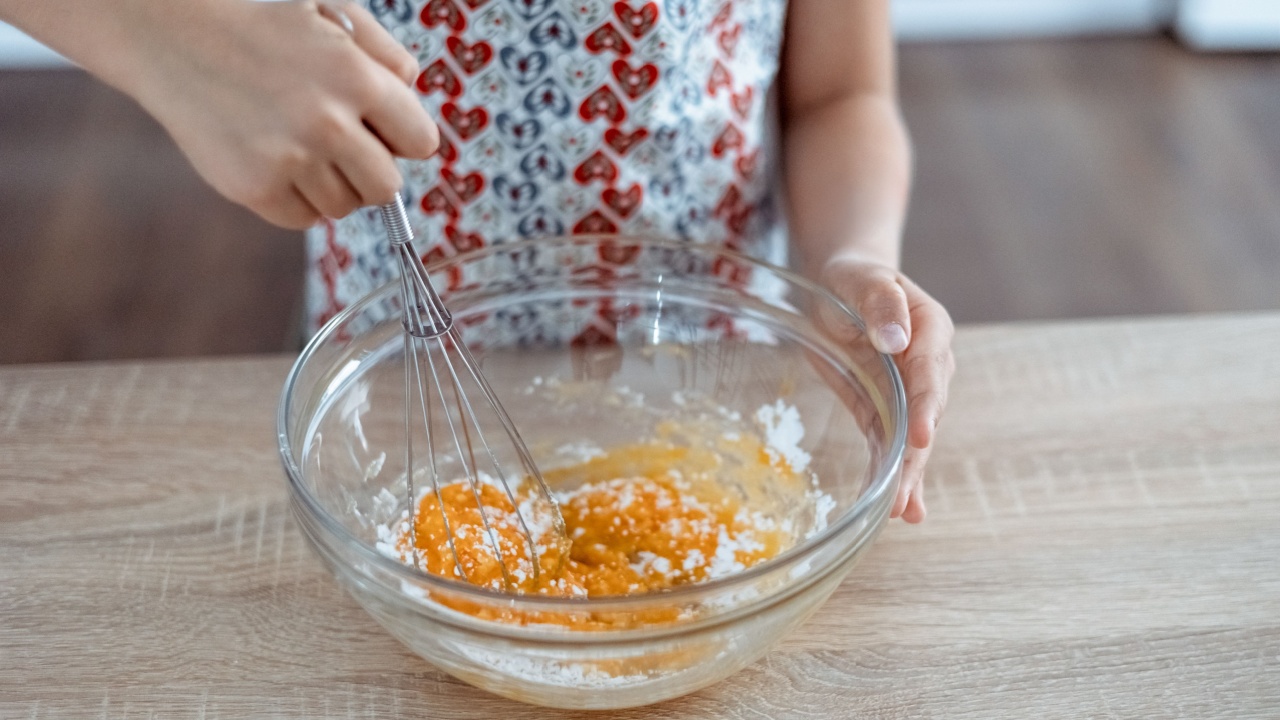
Image Credit: Shutterstock.
Mixing batters or whisking eggs in plastic bowls can release chemicals, especially if the ingredients are warm.
Pyrex glass bowls are safe for the microwave and allow cooks to see exactly what is happening at the bottom of the mixture. The rimmed edge makes handling them easy, even with wet hands.
9. Ball Glass Mason Jars
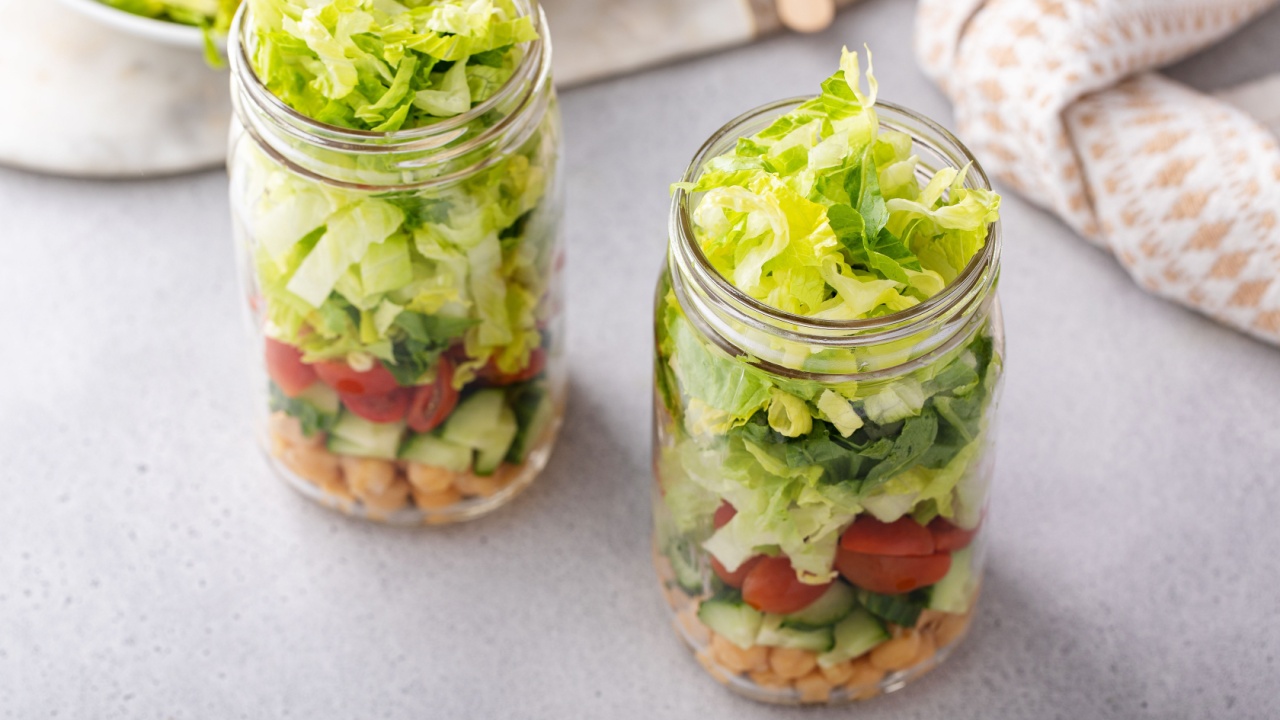
Image Credit: Shutterstock.
Mason jars are the ultimate multitaskers in the kitchen. Use them to store dry goods, prepare overnight oats, or even as everyday drinking glasses.
Swapping your plastic pantry containers for glass jars keeps food fresher for longer, without the risk of chemicals leaching into your food. These Ball’s wide-mouth jars, make filling and scooping mess-free. They come in various sizes to suit all your storage needs.
10. Stasher Silicone Storage Bags
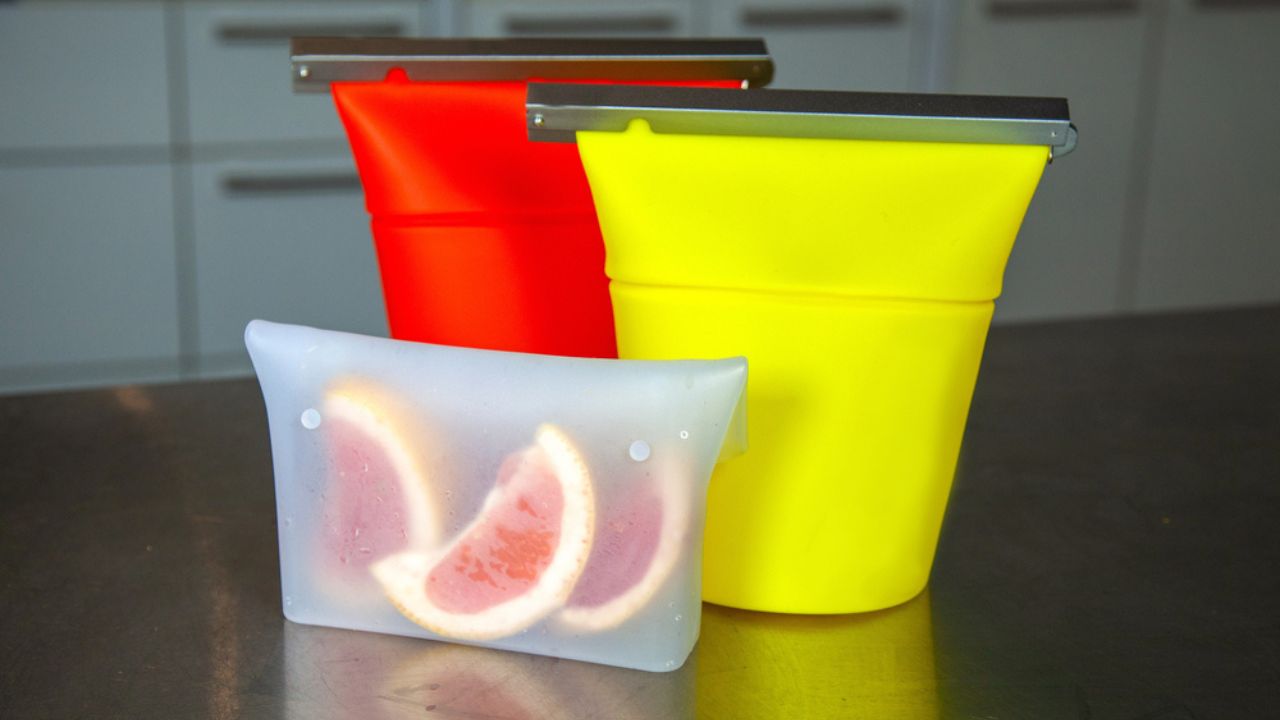
Image Credit: Deposit Photos.
Ziploc bags are convenient but incredibly wasteful. For a sustainable swap, try Stasher’s silicone storage bags. These offer the same utility as disposable bags but are made from a platinum silicone that is dishwasher, microwave, and oven safe. (Be aware, there are still concerns about microplastics in silicone, but less so than single-use Ziploc bags. You can circle back to glass storage, and beeswax wraps above!)
They have a patented Pinch-Loc seal to keep snacks fresh and can be used hundreds of times, making them a smart investment for both your wallet and the planet.
11. Oxo Wooden Cooking Utensils
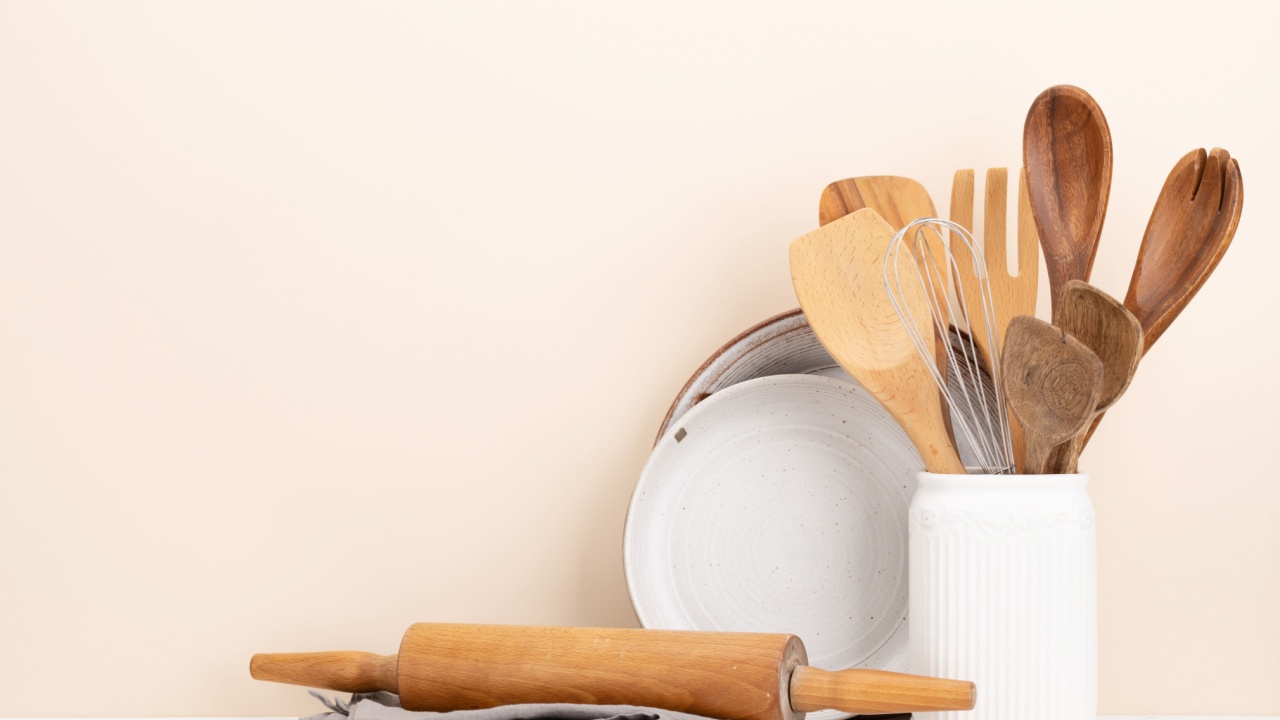
Image Credit: Shutterstock.
Plastic spatulas and ladles often melt slightly when left in a hot pan, adding unwanted synthetic seasoning to dinner.
Wooden utensils are heat-resistant and gentle on cookware. Oxo makes a sturdy set that feels comfortable in the hand and handles high heat without complaint.
12. Lodge Cast Iron Skillet
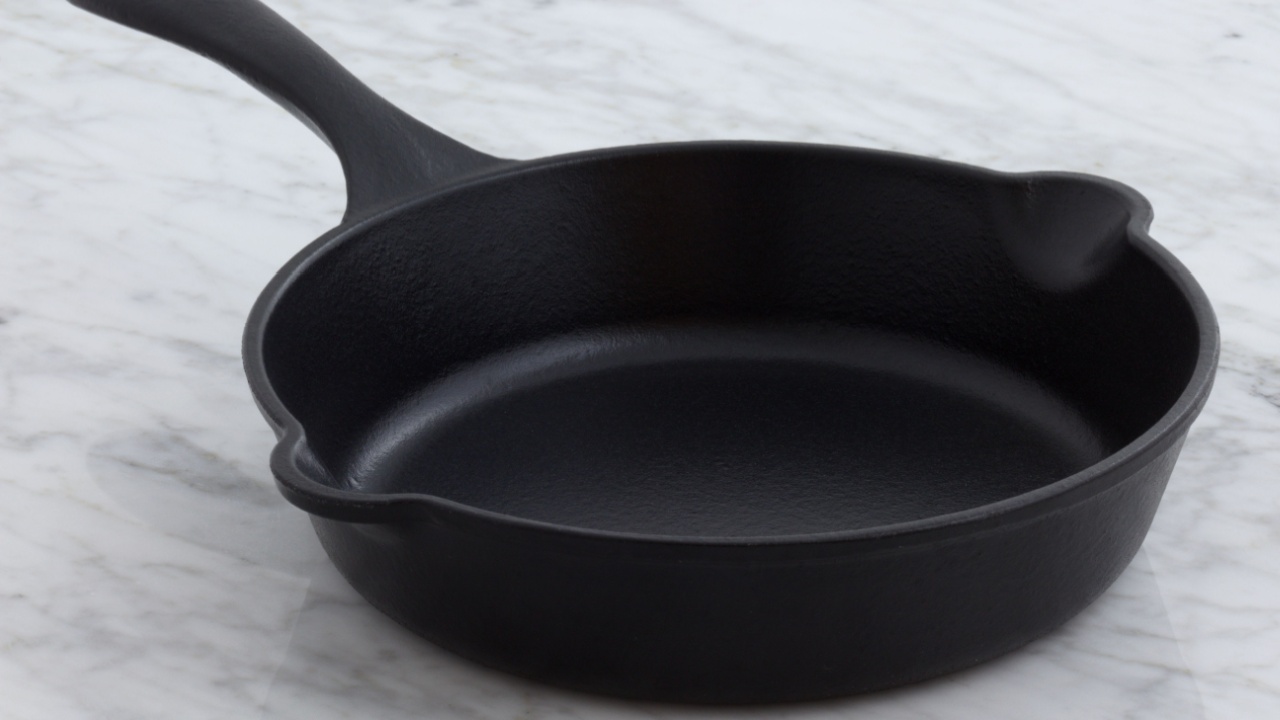
Image Credit: Shutterstock.
While non-stick pans can be convenient, many are coated in PTFE, a type of plastic that can degrade at high temperatures and release harmful chemicals.
A well-seasoned cast-iron skillet offers a natural non-stick surface and can even add a bit of iron to your diet, much better than microplastics.
Lodge skillets are famous for a reason: they’re affordable, virtually indestructible, and will last for generations if cared for properly.
13. Cosori Electric Glass Kettle
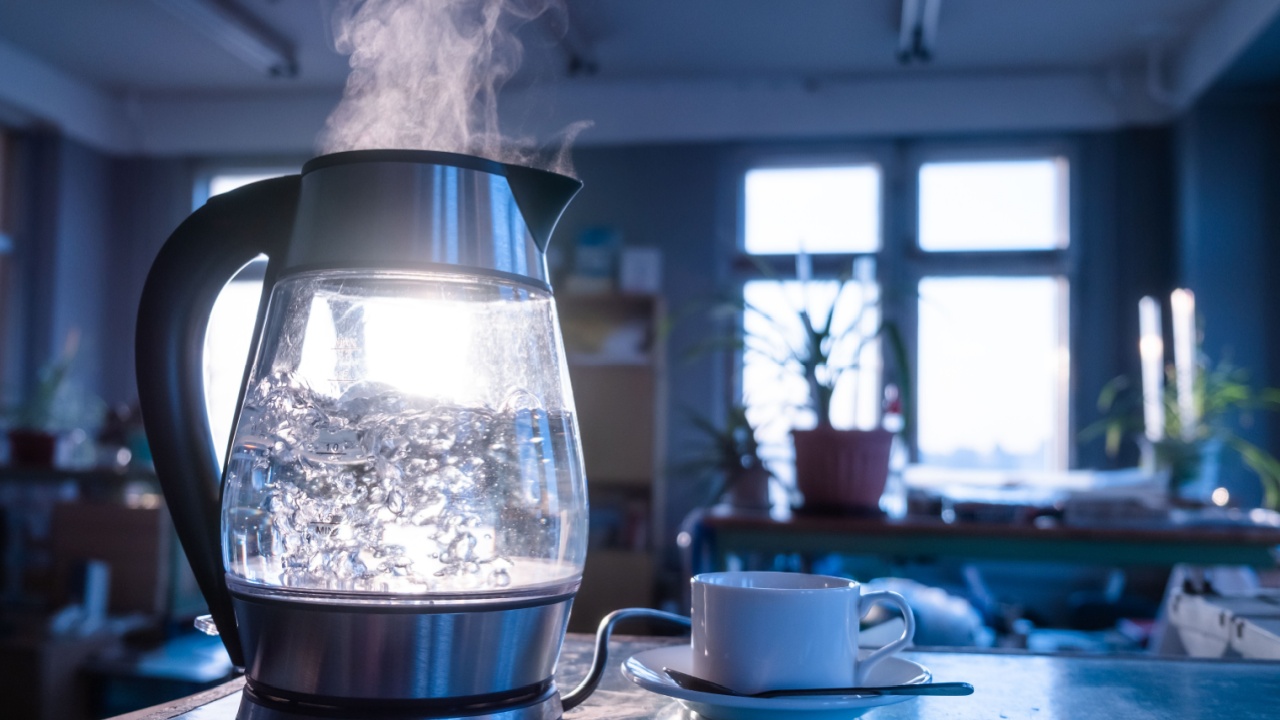
Image Credit: Shutterstock.
Boiling water in a plastic kettle is a prime way to ingest microplastics. A glass kettle ensures the water only touches glass and stainless steel during the heating process. This Cosori model boils water quickly and looks great while doing it.
14. Hydro Flask Stainless Steel Water Bottle
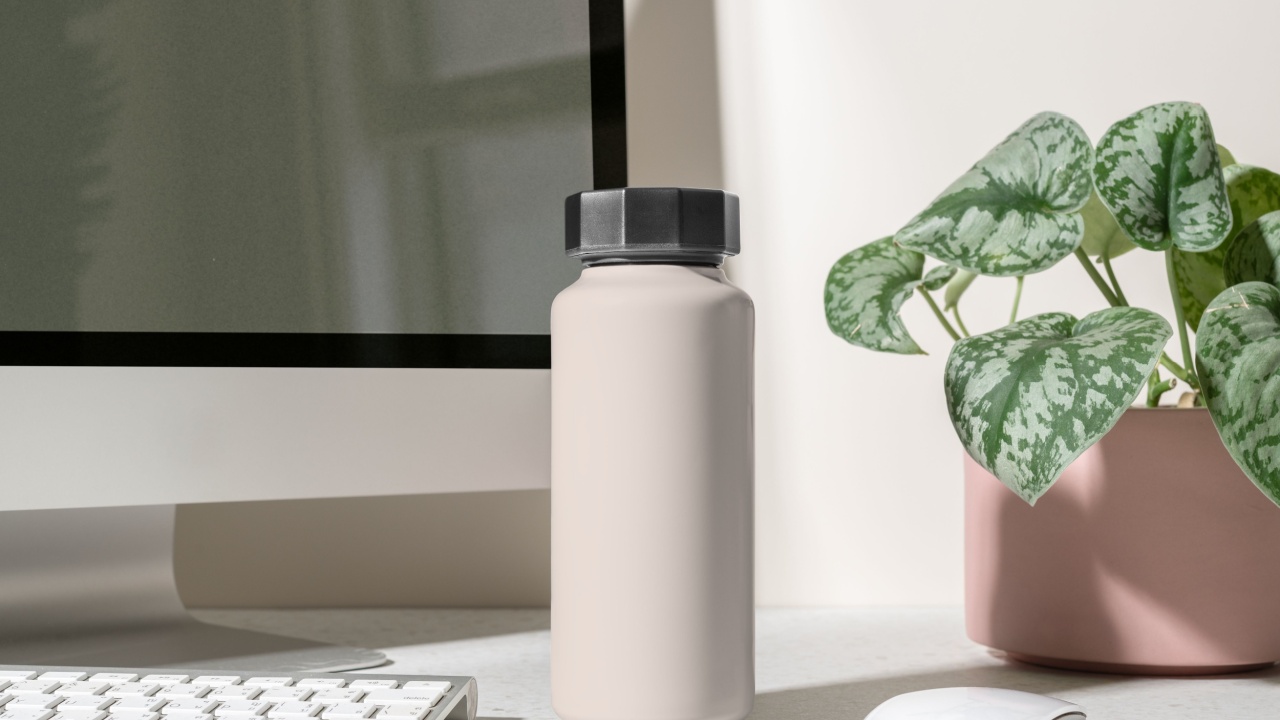
Image Credit: Shutterstock.
Disposable water bottles are a major source of plastic pollution. A high-quality stainless steel bottle keeps water cold for hours and withstands daily drops and dings.
Hydro Flasks are known for their durability and excellent insulation, making hydration plastic-free and stylish.
Taking the First Step
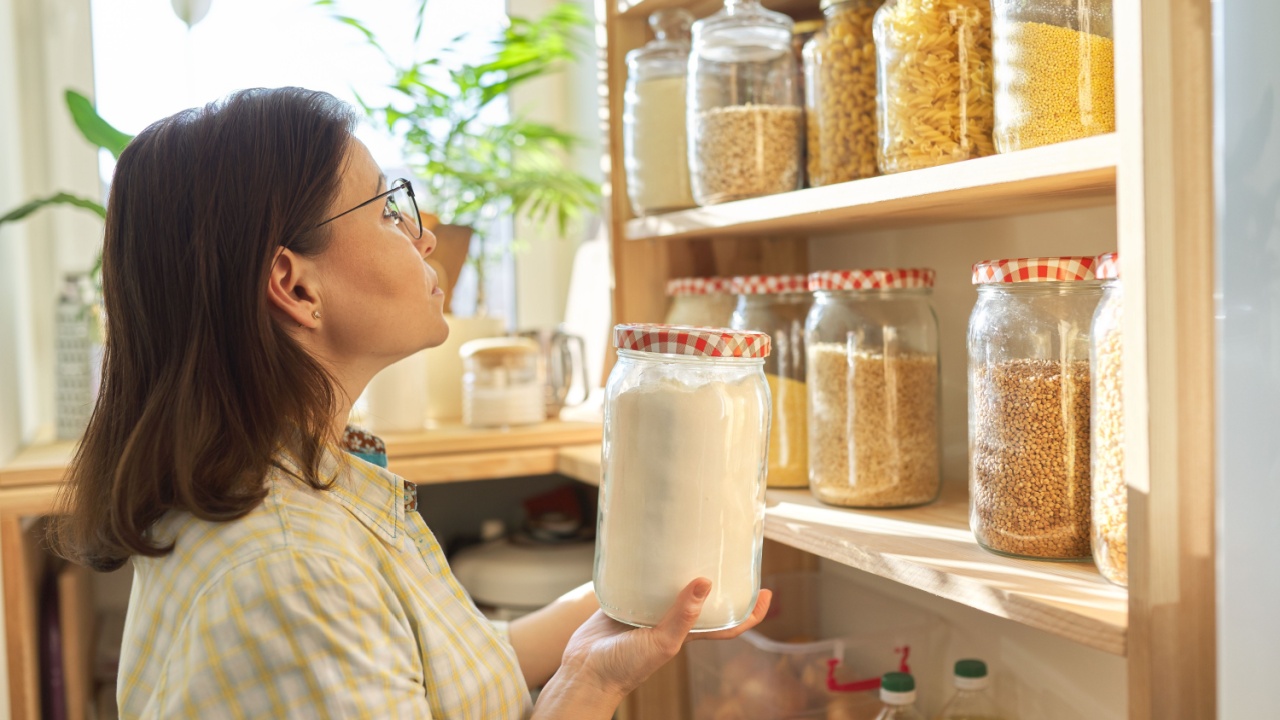
Image Credit: Shutterstock.
Reducing microplastic exposure doesn’t require throwing out everything in the kitchen today. Replacing the items used most frequently, like water bottles or cutting boards, is the first step towards a healthier life.
As plastic items wear out, choose glass, wood, or metal replacements. Your body and the planet will appreciate the upgrade.